

Introduction
Finding the best pain relief gel for joint pain can make everyday activities much more comfortable. Whether your discomfort is caused by aging, physical activity, arthritis, or minor injuries, a topical pain relief gel may help reduce pain where you need it most.
Unlike oral pain medicines, pain relief gels are applied directly to the affected area. This targeted approach may provide temporary relief with less systemic exposure. Many people use these gels for knee pain, shoulder discomfort, back pain, wrist pain, and stiff joints.
With many products available, choosing the right one can feel overwhelming. Understanding the ingredients, benefits, and proper application can help you make an informed decision.
This guide explains how pain relief gels work, what ingredients to look for, and tips for choosing the best option for your needs.
Why Joint Pain Happens
Joint pain is a common condition that affects people of all ages. It may develop gradually or appear suddenly after an injury.
Some common causes include:
- Osteoarthritis
- Rheumatoid arthritis
- Sports injuries
- Muscle strain
- Tendon inflammation
- Overuse during exercise
- Age-related wear and tear
Joint pain may also be accompanied by:
- Stiffness
- Swelling
- Tenderness
- Reduced flexibility
- Difficulty walking or lifting objects
Early care and appropriate pain management can help improve daily comfort and mobility.
Best Pain Relief Gel for Joint Pain – What Makes It Effective?
The best pain relief gel for joint pain is one that matches your specific condition while providing temporary relief without causing unnecessary irritation.
Several factors determine how effective a topical gel can be.
Active Ingredients
Different gels contain different active ingredients, including:
- Menthol for a cooling sensation
- Methyl salicylate for temporary pain relief
- Diclofenac for certain inflammatory conditions (where appropriate)
- Camphor for soothing sore muscles
- Herbal extracts such as eucalyptus or arnica in some formulations
Always read the product label and follow the manufacturer’s instructions.
Fast Absorption
A high-quality gel absorbs quickly into the skin without leaving a sticky residue. This allows users to continue daily activities comfortably.
Targeted Relief
Because the gel is applied directly over the painful joint, it targets the affected area rather than the whole body.
Easy Application
Modern pain relief gels are easy to apply several times a day, depending on product directions.
7 Proven Benefits of Using a Pain Relief Gel
1. Targeted Pain Relief
One of the biggest advantages of topical gels is localized application.
Instead of affecting the entire body, the gel is applied directly where discomfort occurs, making it a practical choice for knees, elbows, shoulders, ankles, and wrists.
2. Quick Cooling or Warming Sensation
Many formulations provide an immediate cooling or warming effect.
This sensation can temporarily distract from pain while helping users feel more comfortable during daily activities.
3. Supports Better Mobility
Joint discomfort often limits movement.
When temporary pain relief is achieved, many people find it easier to:
- Walk
- Climb stairs
- Exercise
- Complete household chores
- Perform office work
Maintaining gentle movement is often an important part of joint health.
4. Convenient for Everyday Use
Pain relief gels are portable and easy to carry.
They can be used:
- At home
- At work
- During travel
- Before or after exercise
Always follow the recommended application frequency provided on the product label.
5. Non-Greasy Formulations
Many modern gels absorb quickly and do not stain clothing after drying.
This makes them convenient for people with active lifestyles.
6. May Complement Other Joint Care Strategies
Pain relief gels can be one part of a broader joint care routine that includes:
- Regular stretching
- Low-impact exercise
- Maintaining a healthy weight
- Good posture
- Adequate hydration
For persistent or severe pain, consult a healthcare professional.
7. Easy to Include in a Daily Routine
Because application takes only a few minutes, many users can easily incorporate a pain relief gel into their morning or evening routine.
Consistency, along with proper use, often provides the best experience.
How to Choose the Right Pain Relief Gel
Not every product is suitable for every individual. Before purchasing, consider the following factors.
Check the Active Ingredients
Look for ingredients supported by clinical evidence for temporary relief of muscle or joint pain. Read labels carefully to understand what each ingredient does.
Consider Your Type of Pain
Ask yourself:
- Is the pain acute or chronic?
- Is it caused by exercise?
- Is it related to arthritis?
- Is swelling present?
Different products may be better suited to different situations.
Skin Sensitivity
If you have sensitive skin, perform a patch test before regular use. Avoid applying the gel to broken or irritated skin.
Ease of Application
Choose a gel that spreads easily, absorbs quickly, and leaves minimal residue. This can improve comfort and encourage regular use.
Brand Quality
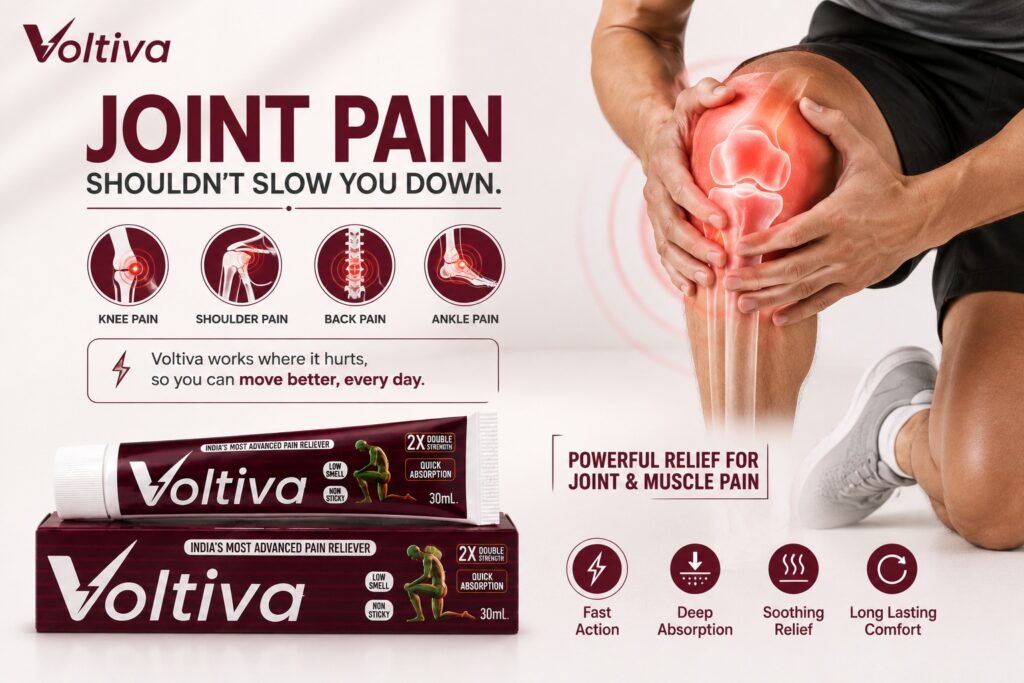
Select products from reputable manufacturers that provide clear ingredient information and usage instructions. For example, Voltiva offers pain relief products designed for convenient topical application, making them a practical option to consider as part of your joint care routine.
How to Use a Pain Relief Gel Correctly
Using a topical gel properly can help you get the most benefit while reducing the risk of skin irritation. Always read the instructions on the product label before use.
Follow these simple steps:
- Wash and dry the affected area.
- Apply the recommended amount of gel.
- Gently massage the gel into the skin until absorbed.
- Wash your hands after application unless treating your hands.
- Avoid covering the area with tight bandages unless instructed on the label.
- Do not apply the gel to cuts, wounds, or irritated skin.
For best results, use the product consistently according to the manufacturer’s recommendations. If pain continues for several days or worsens, seek medical advice.
When Should You See a Doctor?
Pain relief gels are designed to provide temporary relief for mild to moderate joint and muscle discomfort. However, some symptoms require medical evaluation.
Consult a healthcare professional if you experience:
- Severe or sudden joint pain
- Pain lasting several weeks despite self-care
- Significant swelling or redness
- Fever along with joint pain
- Difficulty bearing weight on the joint
- Numbness or loss of movement
Early diagnosis can help identify underlying conditions such as arthritis, ligament injuries, or other joint disorders.
Lifestyle Tips to Support Healthy Joints
The best pain relief gel for joint pain works even better when combined with healthy daily habits. Taking care of your joints can help improve flexibility and reduce everyday discomfort.
Stay Physically Active
Regular low-impact exercises help strengthen the muscles that support your joints.
Good options include:
- Walking
- Swimming
- Cycling
- Yoga
- Stretching exercises
Aim for regular movement while avoiding activities that cause excessive pain.
Maintain a Healthy Weight
Extra body weight places additional stress on weight-bearing joints such as the knees and hips. Maintaining a healthy weight may reduce pressure on these joints and improve mobility.
Eat a Balanced Diet
A nutritious diet supports overall joint health. Include foods rich in:
- Calcium
- Vitamin D
- Omega-3 fatty acids
- Fruits and vegetables
- Lean proteins
- Whole grains
A balanced diet contributes to overall health and may support healthy joint function.
Stay Hydrated
Water helps maintain normal body functions, including supporting healthy cartilage and soft tissues.
Practice Good Posture
Poor posture can increase stress on joints and muscles. Whether sitting at a desk or lifting heavy objects, maintaining proper body alignment helps reduce unnecessary strain.
Choosing a Reliable Pain Relief Gel
When comparing products, consider these important features:
- Clearly listed active ingredients
- Easy-to-understand usage instructions
- Fast-absorbing formula
- Pleasant, non-greasy texture
- Trusted manufacturer
- Positive customer reviews
- Suitable for your specific type of joint discomfort
If you are exploring topical pain relief options, products from Voltiva may be worth considering as part of your self-care routine. Choose the product that best matches your needs and always follow the instructions provided on the packaging.
Conclusion
Finding the best pain relief gel for joint pain involves more than choosing the first product you see. Understanding the ingredients, your type of joint discomfort, and the correct way to use a topical gel can help you make a more informed decision.
Pain relief gels can offer targeted, temporary relief for everyday joint discomfort, making it easier to stay active and maintain your daily routine. Combining topical pain relief with healthy lifestyle habits such as regular exercise, maintaining a healthy weight, and eating a balanced diet can further support joint health.
If your symptoms are severe, persistent, or accompanied by swelling or fever, consult a qualified healthcare professional for a proper diagnosis and treatment plan. By selecting a quality product and using it responsibly, you can take a positive step toward managing joint discomfort more effectively.
Frequently Asked Questions (FAQs)
1. What is the best pain relief gel for joint pain?
The best pain relief gel for joint pain depends on the cause of your discomfort, the active ingredients, and your individual needs. Choose products from trusted brands and follow the recommended directions for use.
2. Can pain relief gels help with arthritis?
Some topical pain relief gels may provide temporary relief from mild arthritis-related joint pain. Speak with your healthcare provider if you have ongoing arthritis symptoms.
3. How often can I apply a pain relief gel?
Application frequency varies by product. Always read and follow the instructions on the product label.
4. Are pain relief gels safe?
Most over-the-counter pain relief gels are safe when used as directed. Avoid applying them to broken skin or near the eyes, and discontinue use if irritation develops.
5. Can I use a pain relief gel before exercise?
Some people apply topical gels before or after physical activity to help manage minor muscle or joint discomfort. Follow the product’s directions and avoid exceeding the recommended amount.
6. Is Voltiva Pain Relief Gel suitable for daily use?
Use Voltiva Pain Relief Gel according to the directions provided on its packaging. If you have any medical conditions or are unsure whether it is appropriate for you, consult a healthcare professional.